What limewash paint is and where it works in your home
 Save
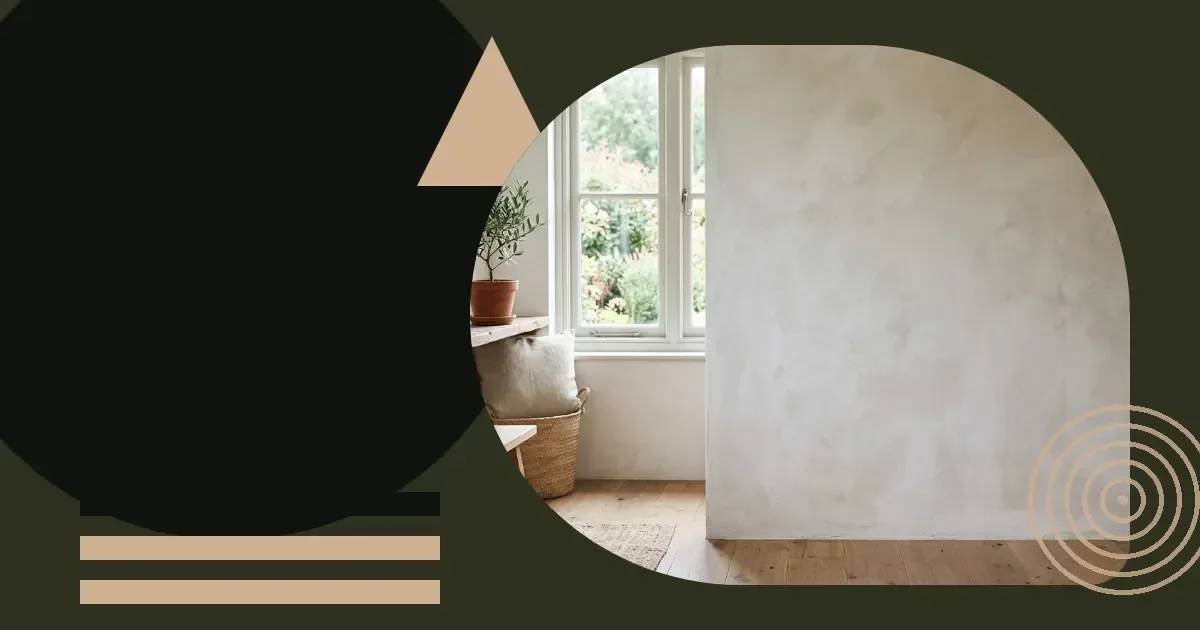
Limewash is a water-based paint made from slaked lime, giving walls a soft, matte finish with subtle variations in tone. It breathes, ages gracefully and has been used for centuries on plaster and masonry. Fleur and Grey looks at what makes it different from modern emulsion, where it suits a room and where it doesn't.
How limewash differs from emulsion
Limewash soaks into porous surfaces rather than sitting on top like emulsion. It creates a chalky, textured finish that shows brushstrokes and slight colour shifts across the wall. Emulsion gives a uniform coat with predictable coverage.
Because limewash is alkaline, it resists mould naturally. It lets moisture escape through the wall, which matters in older buildings without damp-proof courses. Emulsion forms a barrier that can trap moisture behind it.
Limewash rubs off slightly when dry. That powdery quality is part of its character, but it makes high-traffic areas impractical unless you seal it.
Where limewash works well
Limewash suits bare plaster, lime render, brick and stone. It bonds to porous surfaces, so new builds with gypsum plaster often need a bonding primer first.
Period features such as exposed brick or uneven plaster look softer under limewash than gloss or vinyl emulsion. The finish settles into texture rather than highlighting every bump.
Rooms with good ventilation benefit most. Limewash takes longer to dry than emulsion, and damp rooms can stay tacky for days. Hallways, living rooms and bedrooms with opening windows are safer bets than windowless bathrooms.
Rooms that gain from the finish
- Living rooms with original plasterwork or alcoves
- Bedrooms where a calm, low-sheen surface fits the mood
- Hallways in Victorian terraces or cottages with lime plaster walls
- Kitchen walls away from splashbacks and cookers
Where it's impractical
Limewash doesn't suit surfaces you wipe down often. The chalky layer lifts with repeated cleaning, so kitchen splashbacks and bathroom walls near sinks or showers need something tougher.
Children's rooms and narrow hallways with heavy traffic show scuffs quickly. Limewash ages, but it ages by wearing away rather than staying put.
Modern plasterboard and MDF need a primer, and even then the bond is weaker than on traditional lime plaster. If your walls are skimmed with gypsum, check what's underneath before committing.
Apply limewash in four steps
- Dampen the wall lightly with a spray bottle so the limewash soaks in rather than drying on the surface.
- Stir the limewash thoroughly – the pigment settles at the bottom of the tin.
- Apply the first coat with a wide brush in loose, crisscross strokes. Don't aim for even coverage; the variation is the point.
- Let it dry completely, then add a second coat in the opposite direction. Two thin coats give better depth than one thick layer.
Limewash continues to cure for weeks after application. The colour lightens as it dries, so test a patch and wait a few days before judging the final shade.
Compare limewash to other finishes
| Finish | Surface feel | Durability in high-traffic areas | Best for |
|---|---|---|---|
| Limewash | Chalky, soft to touch | Low – rubs off with contact | Period walls, calm bedrooms |
| Emulsion | Smooth, wipeable | High – resists scuffs | Most rooms, kitchens, hallways |
| Chalk paint | Velvety, matte | Medium – sealing improves wear | Furniture, feature walls |
| Distemper | Flat, powdery | Very low – not washable | Ceilings, historic interiors |
Maintenance and touch-ups
Limewash doesn't need washing. Dust it with a soft brush or hoover attachment. If you want to refresh a wall, apply another thin coat over the original – limewash bonds to itself without sanding or priming.
Small marks can be rubbed down with fine sandpaper and touched up with leftover paint. The patchy quality hides repairs better than flat emulsion does.
Choose colours that suit the finish
Limewash comes in earthy tones and soft pastels because the pigments are mineral-based. Bright, synthetic colours don't work with the material.
Neutral shades such as off-white, warm grey and pale ochre let the texture do the work. Deep colours such as terracotta or slate blue look richer on limewash than on emulsion because the finish absorbs light unevenly.
Test a sample pot on at least half a square metre of wall. The colour shifts depending on the base plaster, the number of coats and how the light hits it. What looks pink in the tin might dry to dusty rose or chalky cream.
Decide if limewash suits your walls
Limewash rewards patience. It takes longer to apply, longer to dry and longer to settle into its final colour than emulsion. If you want a finish that improves with age and don't mind a surface that marks easily, it's worth the effort.
If your walls are modern plasterboard, you're renting, or the room gets heavy use, emulsion gives you less hassle and a finish that lasts longer between repaints. For more on keeping walls looking fresh without repainting, read our guide to restoring skirting boards.
Limewash isn't a trend finish – it's a material with centuries of history. It looks like what it is: lime and water on plaster. Whether that suits your home depends on the walls you have and how you live in them.
Get started this week
Limewash doesn't demand specialist skills, just a willingness to let go of perfect coverage.
Order a sample pot in two shades you're drawn to. Paint a large square of each on the wall you're considering and leave them for three days. Spray one lightly with water to see how the colour darkens when wet. Check the finish at different times of day – morning light and evening light will show different tones. If you're still drawn to it after watching it cure, you've found your colour.
#Neutral colours #DIY #Texture
Download PDF: Limewash readiness checklist PDF, 29 KB
Further reading
Frequently asked questions
Does limewash paint rub off on clothes?
Yes, limewash has a chalky texture that can transfer onto fabric if you brush against it. The powder lessens after the paint has fully cured, but it never becomes as hard-wearing as emulsion.
Can you use limewash over existing emulsion paint?
Limewash needs a porous surface to bond properly. If your walls are painted with emulsion, you'll need to strip it back to bare plaster or apply a specialist primer designed for limewash over sealed surfaces.
How long does limewash take to dry between coats?
Limewash usually takes twelve to twenty-four hours to dry enough for a second coat, depending on the room's temperature and airflow. Full curing takes several weeks, during which the colour continues to lighten.